
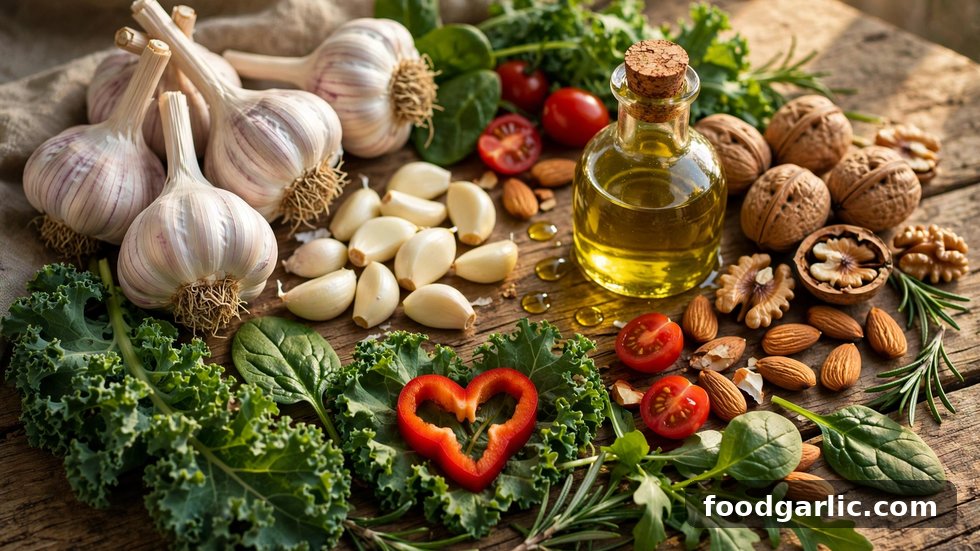
High cholesterol quietly raises your risk of heart disease — and millions of people would rather avoid daily medication if a kitchen staple could help. Could garlic, the same bulb you toss into pasta, actually lower your bad cholesterol?
In this guide, you will learn what research says about garlic and LDL cholesterol, how garlic’s compounds may affect lipid levels, which forms of garlic appear most effective, and how to use garlic safely alongside your doctor’s advice. You will also learn realistic expectations — what garlic can and cannot do for your cholesterol numbers.
Table of Contents
- Cholesterol Basics: LDL, HDL, and Why It Matters
- What the Research Says About Garlic and LDL
- How Garlic May Lower Cholesterol
- Which Form of Garlic Works Best?
- How Much Garlic Should You Use?
- Safety, Side Effects, and Drug Interactions
- Frequently Asked Questions
Cholesterol Basics: LDL, HDL, and Why It Matters
Cholesterol is a waxy substance your body needs — but too much of the wrong type causes trouble. LDL (“bad” cholesterol) can deposit in artery walls, forming plaques. HDL (“good” cholesterol) helps carry cholesterol back to the liver for removal.
Lowering cholesterol risk usually means reducing LDL and total cholesterol while keeping HDL healthy — and researchers have spent decades asking whether garlic belongs in that strategy.
What the Research Says About Garlic and LDL
Dozens of clinical trials have tested garlic’s effect on blood lipids. The picture is cautiously optimistic: garlic appears to modestly lower total and LDL cholesterol in people with elevated levels, though results vary by study design and garlic form.
Key Findings from Meta-Analyses
- Several meta-analyses pooling multiple trials found that garlic supplements reduced total cholesterol by roughly 5–8% on average in people with high baseline levels.
- LDL reductions were similar in size — modest but statistically significant in many pooled analyses.
- Effects appeared stronger in people with higher starting cholesterol and in trials lasting 8 weeks or longer.
- HDL cholesterol was generally unchanged by garlic — it neither raised nor lowered it in most studies.
A 5–8% LDL drop is meaningful, but far smaller than what statins achieve (often 20–50%). Garlic is a complementary dietary strategy, not a replacement for prescribed medication.
How Garlic May Lower Cholesterol
Scientists have proposed several mechanisms, centered on garlic’s sulfur chemistry. When you crush garlic, the enzyme alliinase converts alliin into allicin, which quickly breaks down into other sulfur compounds.
Proposed Mechanisms
- Inhibiting cholesterol synthesis: some sulfur compounds may partially suppress HMG-CoA reductase, the same liver enzyme that statin drugs target — though far more weakly.
- Reducing LDL oxidation: oxidized LDL is more likely to stick to artery walls; garlic’s antioxidants may help slow this process.
- Affecting lipid absorption: animal studies suggest garlic compounds may modestly reduce cholesterol absorption in the gut.
Cooking destroys much of garlic’s allicin — which is why trials using aged garlic extract or garlic powder tablets often show more consistent results.
Which Form of Garlic Works Best?
Not all garlic products are equal. The form you choose strongly affects how much active compound you actually get.
- Aged garlic extract: the most studied form in clinical trials; standardized and consistent, with the most reliable evidence for modest LDL lowering.
- Garlic powder supplements: standardized to allicin potential; several trials found meaningful reductions in total and LDL cholesterol.
- Fresh raw garlic: contains the full allicin pathway but potency varies by clove, freshness, and preparation — crush and wait 10 minutes before eating to maximize allicin formation.
- Garlic oil: contains sulfur compounds but little or no allicin; evidence for cholesterol effects is weaker.
For cholesterol support rather than flavor, standardized supplements deliver the dose the research actually tested. Fresh garlic is a great dietary habit — just do not assume a clove in pasta equals a clinical dose.
How Much Garlic Should You Use?
Trials that showed benefits typically used doses equivalent to about one fresh clove per day, or standardized supplements providing roughly 600–1,200 mg of garlic powder or 600–2,400 mg of aged garlic extract daily.
Practical Guidelines
- Dietary approach: 1–2 fresh cloves daily, crushed and rested 10 minutes, added to food after cooking.
- Supplement approach: follow the label of a standardized product — look for stated allicin potential or S-allyl cysteine content.
- Give it time: trials showing effects lasted at least 8 weeks; cholesterol does not change overnight.
- Combine with proven habits: garlic works best alongside a fiber-rich diet, regular exercise, and limited saturated fat.
Do not megadose: more is not proportionally better, and high doses raise the risk of stomach upset and bleeding interactions.
Safety, Side Effects, and Drug Interactions
Garlic is safe for most people as food, but concentrated doses deserve caution if you take medication.
- Blood-thinning effect: garlic may slow blood clotting. If you take warfarin, aspirin, or other anticoagulants, talk to your doctor before using garlic supplements — bleeding risk can increase.
- Digestive upset: raw garlic and high-dose supplements can cause heartburn, nausea, gas, and stomach pain — take with food and start with a low dose.
- Low blood pressure: garlic may slightly lower blood pressure; combine cautiously with blood pressure medication.
- Never replace prescribed medication with garlic. Statins and other lipid-lowering drugs have far stronger, better-proven effects — garlic is a complement, not a substitute.
Talk to your doctor before starting garlic supplements if you have a heart condition, take any prescription drugs, or are pregnant. This article is educational and not medical advice.
Frequently Asked Questions
How long does it take for garlic to lower cholesterol?
Trials showing benefits lasted 8–12 weeks or longer. The only way to know if it works for you is a follow-up blood test with your doctor.
Can I stop taking my statin if I eat garlic every day?
No. Garlic’s effect is modest compared to statins, and stopping prescribed medication can be dangerous. Never change medication without your doctor’s guidance.
Does cooked garlic lower cholesterol too?
Cooking destroys most allicin, so cooked garlic likely has much weaker effects than raw garlic or standardized supplements. To preserve active compounds, add crushed garlic at the end of cooking or eat it raw.
Is aged garlic extract better than fresh garlic for cholesterol?
For cholesterol, aged garlic extract has the strongest clinical evidence — it is standardized and was used in many successful trials. Fresh garlic’s potency varies clove to clove.