
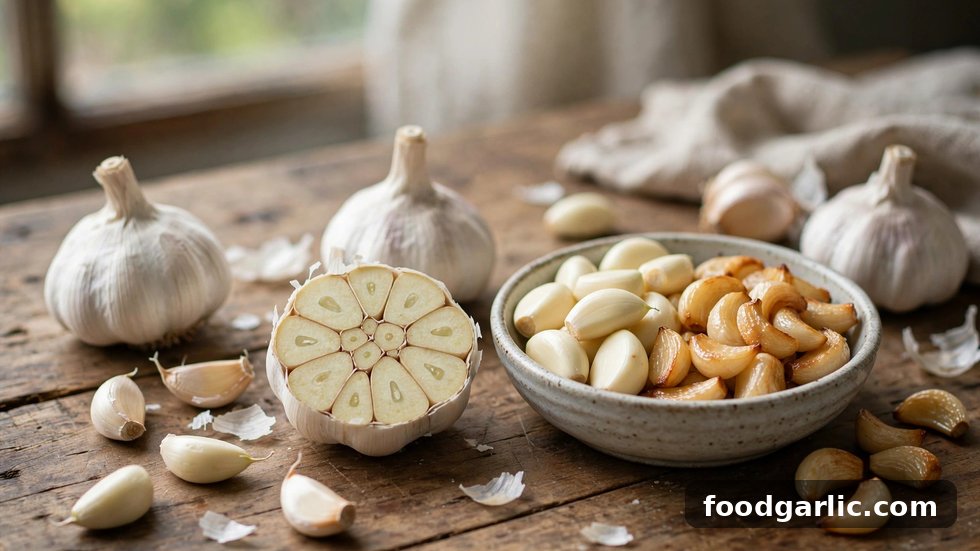
Is raw garlic really better than cooked? The answer depends on how you crush it, how long you wait, and how you heat it. Get these details wrong and most of the active compounds never reach your plate.
In this guide you will learn how raw and cooked garlic differ for health, the 10-minute allicin rule, safe daily amounts, the cooking methods that best preserve benefits, and practical ways to fit garlic into your meals without upsetting your stomach.
Table of Contents
- Why Garlic Is a Health Powerhouse
- Raw Garlic vs Cooked Garlic: The Key Differences
- How to Eat Raw Garlic for Maximum Benefit
- Cooking Garlic Without Losing Its Benefits
- How Much Garlic Should You Eat Per Day?
- The Verdict: Which One Should You Choose?
- Frequently Asked Questions
Why Garlic Is a Health Powerhouse
Garlic has been used as food and folk medicine for thousands of years, and modern research is confirming much of what those traditions claimed: it contains a rich mix of sulfur compounds, antioxidants, and prebiotic fibers that may support heart, immune, and gut health.
The star of the show is allicin, responsible for garlic’s sharp smell and much of its studied activity. But allicin does not exist in an intact clove — it is created when garlic is crushed, chopped, or chewed, triggering an enzymatic reaction inside the cells.
Raw Garlic vs Cooked Garlic: The Key Differences
- Allicin potential: Raw garlic maximizes allicin formation. Heat deactivates the enzyme that creates it, so cooked garlic delivers far less allicin.
- Other sulfur compounds: Cooking converts some allicin into compounds like diallyl disulfide and ajoene, which studies suggest may still support heart health.
- Digestive tolerance: Raw garlic can irritate the stomach and cause heartburn in sensitive people. Cooking makes it much gentler.
- Antioxidant activity: Interestingly, some research suggests gentle heating can raise the antioxidant capacity of garlic by forming new beneficial compounds.
- Flavor and versatility: Raw garlic is pungent and spicy; cooked garlic turns sweet, mellow, and spreadable, so most people simply eat more of it.
The honest picture: raw garlic wins for allicin, cooked garlic wins for comfort and consistency. The best approach for most people is a mix of both.
How to Eat Raw Garlic for Maximum Benefit
Eating raw garlic is simple, but doing it the right way matters. Follow this method to give allicin time to form.
Step 1: Crush, then rest for 10 minutes
Peel a clove, crush or finely mince it, and let it sit exposed to air for about 10 minutes. This rest gives the enzyme alliinase time to convert alliin into allicin; skipping it means far less of the active compound.
Step 2: Eat it with food, not alone
A small amount of raw garlic eaten with a meal is far gentler than a clove swallowed on an empty stomach. Try these easy options:
- Mix minced raw garlic into salad dressing, yogurt dip, or hummus.
- Stir it into guacamole, pesto, or fresh salsa.
- Spread a thin layer on toast with olive oil and a pinch of salt.
- Swallow very finely minced pieces with water right before a meal.
One fresh clove a day is a common target in studies — enough to be meaningful without inviting stomach trouble.
Cooking Garlic Without Losing Its Benefits
You do not have to eat raw garlic to get value from it. Cooked garlic still offers fiber, minerals, antioxidants, and milder sulfur compounds — you just need to cook it gently.
Crush first, then cook
The same 10-minute rest rule applies before cooking. Crush or mince your garlic, let it rest, and then add it to the pan — the allicin formed during the rest survives heat far better.
Choose gentler cooking methods
- Roasting: Whole bulbs roasted low and slow become sweet and creamy with minimal burning.
- Simmering in sauces: Adding garlic later in the cooking time preserves more activity than a long boil.
- Light sauté: Golden, not brown. Burnt garlic tastes bitter and loses its beneficial compounds.
- Add at the end: Stir fresh minced garlic into soups, stews, or stir-fries in the final 2–3 minutes.
A practical habit: cook garlic generously in meals, and finish dishes with a little raw garlic where it fits.
How Much Garlic Should You Eat Per Day?
Most studies that look at garlic and health use the equivalent of one to two fresh cloves per day, or roughly 600–1,200 mg of aged garlic extract. There is no magic number, but this range is a sensible guide.
Consistency matters more than quantity. A small amount most days appears more useful than a large amount once in a while. Start with half a clove and build up so your stomach can adjust. Note: large amounts of raw garlic can thin the blood, so talk to your doctor first if you take blood thinners or have surgery scheduled.
The Verdict: Which One Should You Choose?
If your only goal is maximum allicin, raw garlic wins. But the best garlic habit is the one you will keep: a little raw garlic in dressings and finishing touches, plus plenty of gently cooked garlic in everyday meals.
Frequently Asked Questions
Does microwaving garlic destroy its health benefits?
Very short microwaving (under a minute) preserves most of garlic’s activity, especially if you crush and rest it first. Longer times behave like any high heat and deactivate the allicin-forming enzyme.
Are garlic supplements as good as fresh garlic?
Aged garlic extract and standardized supplements suit people who dislike the taste or get stomach upset. Fresh garlic remains the most affordable whole-food choice.
Can I eat raw garlic on an empty stomach?
You can, but many people find it irritating. Eating raw garlic with food — in a dip, dressing, or alongside a meal — is gentler and still delivers the compounds you want.
Does black garlic have the same benefits as raw garlic?
Black garlic is aged and fermented, which raises its antioxidant levels but largely converts allicin into other compounds. Studies suggest it may still support heart health — but it is sweet, chewy, and mild rather than sharp.
1 thought on “How to Use Garlic for Maximum Health Benefits: Raw vs Cooked”