
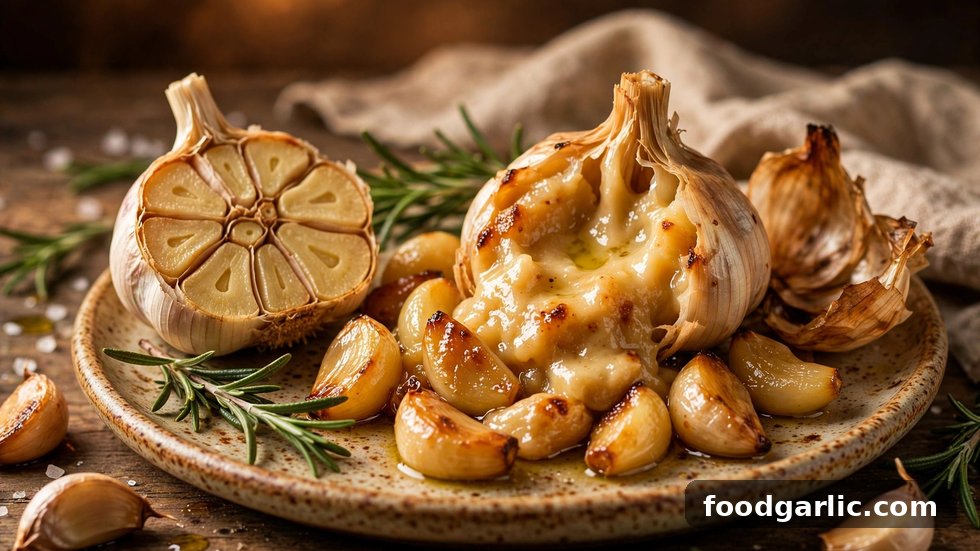
Roasted garlic is the closest thing to kitchen magic: sharp, pungent cloves transformed into sweet, caramelized, spreadable gold. If you have only ever eaten raw or sautéed garlic, roasting will change how you think about it.
In this guide you will learn the foolproof method for roasting whole garlic bulbs, how to roast loose cloves for faster results, the signs of perfect doneness, creative ways to use roasted garlic, and how to store it safely.
Table of Contents
- What Roasting Does to Garlic
- How to Roast Whole Garlic Bulbs: Step by Step
- Faster Method: Roasting Loose Cloves
- Signs of Perfect Doneness
- 10 Ways to Use Roasted Garlic
- How to Store Roasted Garlic Safely
- Frequently Asked Questions
What Roasting Does to Garlic
Slow, dry heat transforms garlic completely. The harsh sulfur compounds that make raw garlic burn mellow out, while natural sugars caramelize and the cloves turn soft, creamy, and sweet — almost like roasted nuts with a gentle garlicky depth.
Unlike frying, roasting is forgiving. The low temperature and the bulb’s papery skin protect the cloves from scorching, so even beginners get great results. One bulb yields a generous spoonful of golden paste that elevates almost any savory dish.
How to Roast Whole Garlic Bulbs: Step by Step
Step 1: Prep the bulbs
Preheat your oven to 200°C (400°F). Peel away the loose outer papery layers of each bulb, keeping the cloves attached at the base. Slice about 1 cm off the top of the bulb so the tip of each clove is exposed.
Step 2: Oil, season, and wrap
Place each bulb on a square of aluminum foil. Drizzle the exposed cloves with olive oil — about a teaspoon per bulb — and add a pinch of salt. Loosely wrap the foil around the bulb, sealing it into a packet that traps steam.
Step 3: Roast low and slow
Roast for 35–45 minutes. Smaller bulbs may be done at 30 minutes; large ones can take 50. Resist the urge to rush with higher heat — gentle roasting is what creates the sweet, creamy texture without bitterness.
Step 4: Cool and squeeze
Let the packets rest for 5–10 minutes until cool enough to handle. Then squeeze each bulb from the base — the roasted cloves will pop out like soft paste. Spread, mash, or use whole.
Faster Method: Roasting Loose Cloves
No time for whole bulbs? Peel individual cloves, toss them with olive oil and a pinch of salt in an ovenproof dish, and roast at 200°C (400°F) for 20–25 minutes, shaking the pan once halfway through.
Loose cloves roast faster because heat reaches them directly, and you get lovely golden, caramelized edges. Watch them closely in the last 5 minutes — without the bulb’s skin for protection, they go from golden to bitter quickly.
This method is ideal when you need a smaller amount for a sauce, dressing, or garnish. A handful of cloves roasts in the time it takes to prep the rest of dinner.
Signs of Perfect Doneness
- Color: deep golden to light amber — never dark brown or black.
- Texture: completely soft and creamy, spreading like butter with a knife.
- Smell: sweet and nutty, without any sharp or acrid edge.
- Taste: sweet and mellow with gentle garlic depth, no bitterness or burn.
If the cloves are still firm, give them another 5–10 minutes. If they taste bitter, the heat was too high or they roasted too long — next time, lower the temperature and check earlier.
10 Ways to Use Roasted Garlic
Roasted garlic is one of the most versatile ingredients you can make. Keep a batch in the fridge and try these:
- Spread on warm crusty bread with a drizzle of olive oil — the simplest and best use.
- Mash into mashed potatoes for a sweet, savory depth.
- Whisk into salad dressings and vinaigrettes for body without raw bite.
- Blend into hummus or white bean dip.
- Stir into pasta sauces, especially creamy or tomato-based ones.
- Mix into softened butter for an instant garlic butter.
- Add to homemade pizza — dot the sauce or scatter under cheese.
- Blend into soups, particularly roasted vegetable or potato soup.
- Whisk into mayonnaise for a quick aioli-style spread.
- Top grilled meats or roasted vegetables with whole soft cloves.
How to Store Roasted Garlic Safely
Roasted garlic keeps well, but storage safety matters because of botulism risk in low-acid, oil-stored foods. Follow these rules.
- Refrigerator: store in an airtight container for up to 4 days. You may cover with oil, but keep it refrigerated and use within the week.
- Freezer: the safest long-term option — freeze cloves or paste in ice cube trays for up to 3 months.
- Never store at room temperature in oil. Garlic-in-oil mixtures at room temperature can grow Clostridium botulinum.
- Acidify for longer fridge life: storing in vinegar-based mixtures extends safety, but freezing remains simplest.
Frequently Asked Questions
Can I roast garlic in an air fryer?
Yes. Wrap prepped bulbs in foil and air-fry at 190°C (375°F) for 20–25 minutes. Air fryers run hotter and circulate air, so check early — loose cloves can be done in 12–15 minutes.
Why did my roasted garlic turn bitter?
Bitterness comes from over-roasting or excessive heat — dark brown or blackened cloves taste bitter. Keep the temperature at or below 200°C (400°F), use foil packets for whole bulbs, and pull loose cloves as soon as they turn deep golden.
Can I roast garlic without foil?
Yes. Use a small ovenproof dish with a lid, or a dedicated garlic roaster. The goal is simply to trap some steam around the bulb. Uncovered roasting works too but gives drier, chewier cloves rather than creamy ones.
Is roasted garlic healthier than raw garlic?
Not exactly healthier — different. Roasting deactivates the allicin-forming enzyme, so you get less allicin but still benefit from antioxidants, fiber, and milder sulfur compounds. Many people eat far more roasted garlic because it tastes better, which can balance out.