
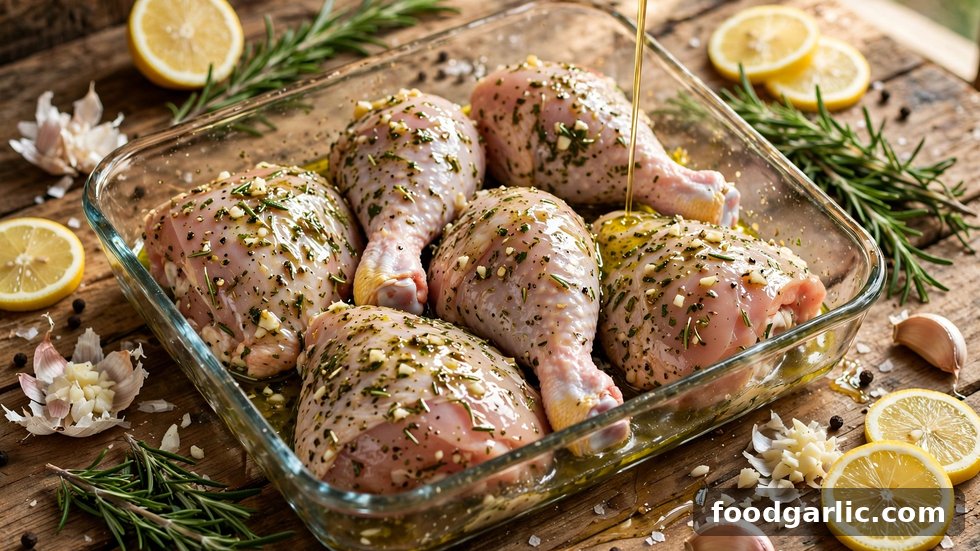
Garlic does more than flavor your meat — it can genuinely make it more tender. Its enzymes and mild acids break down tough surface fibers while the meat soaks, so a humble clove can turn an affordable, chewy cut into something noticeably softer and juicier.
In this guide you will learn the science of how garlic tenderizes meat, fresh vs powdered garlic, a classic marinade recipe, safe marinating times for every protein, and the common mistakes that turn great marinades into bitter disappointments.
Table of Contents
- How Garlic Tenderizes Meat: The Science
- Fresh Garlic vs Garlic Powder in Marinades
- A Classic Garlic Marinade Recipe
- Marinating Times for Every Type of Meat
- Common Garlic Marinade Mistakes to Avoid
- Frequently Asked Questions
How Garlic Tenderizes Meat: The Science
Garlic’s tenderizing power comes from its natural enzymes, mainly alliinase, which converts to allicin when garlic is crushed or chopped. These sulfur compounds are mildly acidic and reactive, which helps loosen the protein structures on the surface of meat fibers.
When garlic sits in a marinade with oil, salt, and a splash of acid like lemon juice or vinegar, it creates an environment that denatures surface proteins — the proteins relax and unwind, so the meat’s texture becomes less tight and chewy.
Be realistic about the limits, though. Garlic marinades penetrate only the outer 1 to 3 millimeters of meat, even after hours of soaking. They work best as a surface treatment — softening the exterior bite where toughness is felt most — so for thick cuts, combine them with scoring or pounding. Garlic also earns its place as a natural antimicrobial, helping slow the surface bacteria that cause off flavors in raw meat.
Fresh Garlic vs Garlic Powder in Marinades
Fresh and powdered garlic are not interchangeable in a marinade — each has real advantages depending on what you are cooking.
Fresh Garlic
Crushed fresh garlic delivers the strongest flavor and the most active enzymes, since allicin forms only when fresh cells are damaged — making it the superior choice for tenderizing. Mince or press it, then let it rest for 10 minutes before mixing into the marinade so the flavor compounds fully develop.
Garlic Powder
Garlic powder distributes evenly and never burns into bitter flecks the way minced fresh garlic can on a hot grill — ideal for dry rubs and short marinades. The trade-off is weaker tenderizing power, since the active enzymes are largely inactive in dried form. A smart compromise: let crushed fresh garlic do the tenderizing work, wipe the pieces off before cooking, and finish with a dusting of powder for clean, even flavor.
A Classic Garlic Marinade Recipe
This all-purpose marinade works for chicken, beef, pork, lamb, and firm fish — balancing fat, acid, salt, and aromatics, the four pillars of a great marinade.
- 6 cloves garlic, crushed or finely minced (rest 10 minutes)
- 1/3 cup olive oil — carries flavor into the meat
- 2 tablespoons lemon juice or red wine vinegar — the acid that aids tenderizing
- 1 tablespoon salt — seasons deeply and helps proteins relax
- 1 teaspoon black pepper, freshly cracked
- 1 teaspoon dried oregano or fresh rosemary, chopped
- 1 tablespoon honey — optional, for better browning and balance
Method: Whisk everything together, coat the meat fully, and refrigerate in a sealed bag or covered dish — never marinate on the counter. Before cooking, pat the surface dry and brush off large garlic pieces, which burn faster than the meat.
Marinating Times for Every Type of Meat
Longer is not always better — after a point, acid turns texture mushy instead of tender.
- Chicken pieces, thighs, breasts: 2 to 4 hours. Do not exceed 6 hours or the texture turns chalky.
- Beef steaks (ribeye, sirloin): 2 to 6 hours. Premium cuts need less.
- Tough beef cuts (flank, skirt, chuck): 6 to 24 hours — these benefit most from garlic’s enzymes.
- Pork chops and tenderloin: 2 to 4 hours. Pork absorbs flavor quickly.
- Lamb (chops, leg, shoulder): 4 to 12 hours. Garlic and lamb are a classic pairing.
- Fish and shrimp: 15 to 30 minutes only. Acid “cooks” delicate seafood fast.
Never reuse a marinade that has touched raw meat unless you boil it for at least 5 minutes first — or set some aside before it meets the meat if you want a sauce.
Common Garlic Marinade Mistakes to Avoid
- Too much raw garlic: Beyond about 8 cloves per kilo of meat, raw garlic’s harsh sulfur notes turn bitter. Let time do the work, not quantity.
- Leaving garlic pieces on during cooking: Minced garlic burns faster than meat cooks. Wipe off the chunks before searing — the flavor is already in.
- Marinating at room temperature: A food safety risk. Bacteria thrive between 4°C and 60°C (40–140°F). Always marinate in the fridge.
- Skipping the salt: Salt is the only marinade ingredient that penetrates deeply. A garlic marinade without salt flavors only the surface.
Frequently Asked Questions
Does garlic actually tenderize meat, or is it just flavor?
Both. Fresh garlic’s enzymes and mild acidity genuinely soften surface proteins, while its sulfur compounds add deep savory flavor. The effect is real but shallow — a few millimeters — so combine it with scoring or pounding for thick cuts.
Can I use garlic powder instead of fresh garlic in a marinade?
Yes, but expect flavor without much tenderizing — the powder’s enzymes are inactive, so it seasons rather than softens. Use about 1/4 teaspoon per fresh clove.
How long can I marinate meat in garlic before it goes bad?
In the refrigerator, most meats can marinate safely for 24 hours; chicken should stay under 6 hours for texture, and fish under 30 minutes. Beyond 24 hours, acid turns the surface mushy even if the meat is still safe.
Why does my garlic marinade taste bitter?
Bitterness usually comes from burnt garlic pieces left on during cooking, or far too much raw garlic. Wipe off the chunks before searing and keep fresh garlic to about 6 cloves per kilo of meat.