
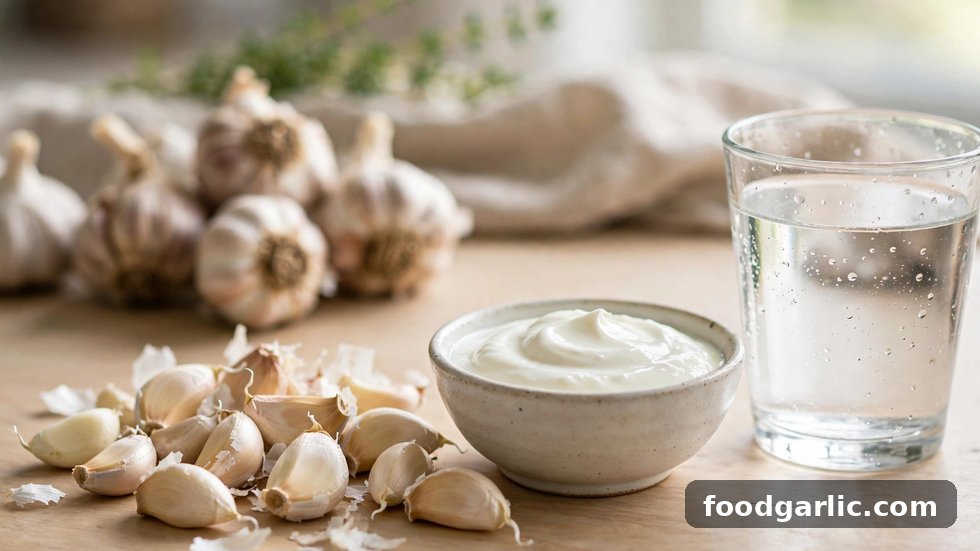
Raw garlic is celebrated for its health potential — but for many people, it comes with a price: burning heartburn, stomach cramps, or nausea. If garlic disagrees with you, you are not alone, and you do not have to give it up.
In this guide you will learn why raw garlic irritates some stomachs, who is most affected, practical ways to prevent heartburn and discomfort, gentler alternatives that keep the benefits, and when symptoms mean you should see a doctor.
Table of Contents
- Why Raw Garlic Can Irritate Your Stomach
- Who Is Most Likely to Be Affected
- How to Prevent Heartburn and Discomfort
- Gentler Ways to Get Garlic’s Benefits
- What to Do If Garlic Upsets Your Stomach
- When to See a Doctor
- Frequently Asked Questions
Why Raw Garlic Can Irritate Your Stomach
Three things in raw garlic can trouble digestion. First, allicin and related sulfur compounds are potent irritants — the same chemistry that defends the plant can sting a sensitive stomach lining, especially on an empty stomach.
Second, garlic is high in fructans, a type of fermentable fiber. In the gut, fructans feed bacteria that produce gas — fine for most people, but a trigger for bloating in those with IBS or fructan sensitivity.
Third, garlic can relax the lower esophageal sphincter — the valve between stomach and esophagus — in some people, letting stomach acid splash upward as heartburn. This is why garlic appears on many GERD trigger lists.
Who Is Most Likely to Be Affected
- People with GERD or acid reflux: raw garlic is one of the more common dietary triggers for heartburn.
- People with IBS: the fructans in garlic can cause gas, bloating, and cramping.
- Anyone eating it on an empty stomach: even sturdy stomachs protest raw garlic without food.
- People taking large “therapeutic” doses: several raw cloves daily is far more irritating than normal culinary amounts.
- Those with gastritis or ulcers: raw garlic can aggravate an already inflamed stomach lining.
If none of these apply and you still get discomfort, the amount is usually the issue — most people have a personal threshold, and finding it solves the problem.
How to Prevent Heartburn and Discomfort
These strategies let most people keep eating garlic comfortably:
- Always eat garlic with food. This is the single most effective step — food buffers the irritant compounds.
- Start small. Begin with half a clove or a small amount in cooking, and increase gradually over weeks.
- Cook it. Heat transforms the harshest compounds; roasted or sautéed garlic is far gentler than raw.
- Mince finely and rest it. Counterintuitively, the crush-and-rest method can help: it lets the most volatile irritants dissipate slightly before eating.
- Avoid it late at night. Eating garlic close to bedtime gives reflux more opportunity while you lie flat.
- Skip it on an empty stomach as a “morning health shot” — this is the most common cause of garlic-related stomach pain.
- Pair with soothing foods: yogurt, milk, oatmeal, or bananas alongside garlic ease its impact.
Gentler Ways to Get Garlic’s Benefits
If raw garlic simply does not agree with you, these alternatives preserve much of the value:
- Cooked garlic: roasting, sautéing, or simmering mellows garlic dramatically while keeping antioxidants, fiber, and milder sulfur compounds.
- Aged garlic extract: the supplement form used in most clinical trials — odorless, standardized, and much gentler on the stomach.
- Garlic-infused oil (solids strained out): the flavor compounds dissolve into oil while the fructans stay in the solids — a classic low-FODMAP workaround for IBS.
- Black garlic: fermented and sweet, with a different compound profile that many sensitive stomachs tolerate better.
There is no prize for suffering through raw garlic. The best form of garlic is the one your stomach accepts happily and consistently.
What to Do If Garlic Upsets Your Stomach
If you have already eaten too much raw garlic and feel the burn, try these:
- Drink water or milk: milk’s protein and fat coat the stomach lining and ease the burn faster than water alone.
- Eat something starchy: bread, rice, or oatmeal absorbs and dilutes the irritants.
- Try an antacid: over-the-counter antacids neutralize acid quickly if heartburn is the main symptom.
- Avoid lying down for at least an hour — gravity helps keep acid where it belongs.
- Skip more garlic until the discomfort fully passes, then restart at a smaller amount.
Most garlic-related stomach upset passes within a few hours. It is uncomfortable but rarely dangerous in otherwise healthy people.
When to See a Doctor
Occasional mild heartburn from garlic is normal. But see a doctor if you experience frequent heartburn (more than twice a week), difficulty swallowing, persistent stomach pain, vomiting, black stools, or unexplained weight loss. These can signal GERD, ulcers, or other conditions that need proper diagnosis — not just dietary tweaks.
Frequently Asked Questions
Is garlic bad for your stomach in general?
No — garlic is not bad for the stomach in general. Most people digest normal culinary amounts without any issue. Problems typically come from large amounts of raw garlic, eating it on an empty stomach, or pre-existing conditions like GERD or IBS.
Does cooking garlic prevent heartburn?
For most people, yes. Cooking breaks down the harshest sulfur compounds and makes garlic much gentler. Roasted garlic in particular is well tolerated. If cooked garlic still bothers you, try smaller amounts or the infused-oil method.
Can I take garlic supplements instead to avoid stomach issues?
Aged garlic extract is the gentlest option and the form used in most clinical research. Standard garlic oil capsules can still cause heartburn in some people. Look for aged or “odorless” preparations if stomach comfort is your priority.
Why does garlic give me gas but not heartburn?
Gas and bloating point to the fructans — the fermentable fibers — rather than acid reflux. This is common with IBS or fructan sensitivity. Garlic-infused oil with the solids strained out usually solves it, since fructans do not dissolve into oil.
1 thought on “Is Raw Garlic Bad for Your Stomach? How to Prevent Heartburn”