
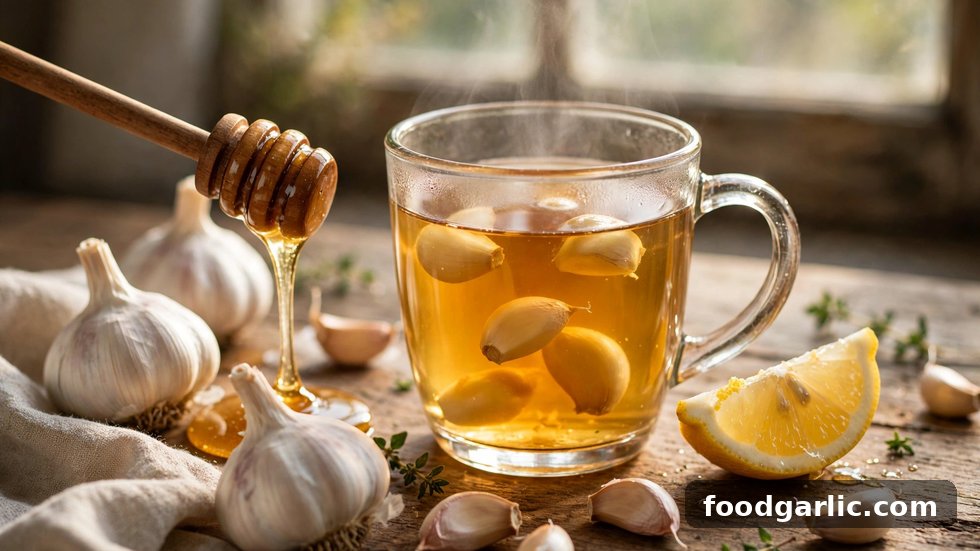
When the first scratchy throat arrives, many people reach for garlic before anything else. It is one of the oldest traditional cold remedies in the world — and unlike most folk cures, it has actual clinical trials behind it.
In this guide you will learn what research says about garlic and immunity, how to make a soothing garlic-honey remedy and a garlic-ginger tea, when and how to take them, who should be cautious, and the habits that matter more than any single remedy.
Table of Contents
- What Science Says About Garlic and Immunity
- Recipe 1: Garlic-Honey Cold Remedy
- Recipe 2: Soothing Garlic-Ginger-Lemon Tea
- How and When to Take These Remedies
- Safety and Who Should Be Cautious
- The Bigger Immunity Picture
- Frequently Asked Questions
What Science Says About Garlic and Immunity
The most cited trial gave one group a daily garlic supplement and another a placebo for 12 weeks through cold season. The garlic group reported fewer colds, and the colds they caught resolved faster. Other studies suggest garlic compounds may support the activity of immune cells like macrophages and natural killer cells.
Keep expectations honest. These trials used standardized supplements over weeks — evidence for a cup of garlic tea curing an active cold is far thinner. The realistic view: garlic may help support your immune system as part of a healthy routine, especially when used consistently during cold season, but it will not stop a virus in its tracks.
Recipe 1: Garlic-Honey Cold Remedy
Fermented garlic in raw honey is the classic preparation: soothing, easy to take by the spoonful, and it keeps for weeks in the fridge. The honey mellows garlic’s harshness while the garlic infuses the honey with its compounds.
Ingredients
- 1 whole head of garlic, cloves peeled and lightly crushed
- Raw honey, enough to fully cover the garlic (about 1 cup)
- A clean glass jar with a lid
Method
Place the crushed cloves in the jar and pour honey over them until fully submerged. Loosen the lid slightly for the first few days (fermentation releases gas), then seal and store in a cool, dark place. It is ready in 3–5 days and keeps for a month or more refrigerated.
Take one teaspoon at the first sign of a cold, up to 2–3 times daily. You can eat a softened clove along with the honey if you tolerate it — the garlic becomes mild and almost sweet after fermenting.
Recipe 2: Soothing Garlic-Ginger-Lemon Tea
For immediate comfort when you are already sick, a warm tea is hard to beat. This one combines garlic with ginger and lemon — all traditional soothing ingredients — in a drink that is warming and easy on the throat.
Ingredients (1 large mug)
- 2 garlic cloves, crushed and rested 10 minutes
- 3–4 thin slices of fresh ginger
- Juice of half a lemon
- 1 tablespoon honey (added after cooling slightly)
- 2 cups hot — not boiling — water
Method
Crush the garlic and let it rest for 10 minutes to allow allicin to form. Add ginger to the hot water and steep 5 minutes, then stir in the crushed garlic and steep 3 more minutes. Strain, let cool until drinkable, then add lemon and honey. Drink warm, 1–2 mugs daily while sick.
Keeping the water below boiling protects more of the garlic’s active compounds. It will not taste like a treat — but when your throat hurts, warm and soothing wins.
How and When to Take These Remedies
- Prevention mode: a daily teaspoon of garlic honey or a clove in cooking through cold season is the routine best supported by research.
- At first symptoms: start the remedies immediately — traditional use favors early, consistent dosing over heroic late doses.
- While sick: 1–2 mugs of tea daily plus honey as needed; keep total raw garlic to 1–2 cloves daily to protect your stomach.
- With food: take garlic remedies with or after meals, never on an empty stomach when you are ill.
These remedies support comfort and may gently support immunity — not substitutes for rest, fluids, and medical care when symptoms are severe.
Safety and Who Should Be Cautious
- Stomach sensitivity: raw garlic can cause heartburn and nausea, worse when you are already ill. Reduce the amount or use the tea instead of raw preparations.
- Blood thinners: talk to your doctor before regular garlic intake if you take anticoagulants or have surgery scheduled.
- Honey and infants: never give honey to children under 12 months — risk of infant botulism.
- Allergies: anyone allergic to garlic or the onion family should skip these remedies.
- When to see a doctor: high fever, difficulty breathing, chest pain, or symptoms lasting more than 10 days need medical attention, not home remedies.
The Bigger Immunity Picture
No remedy outperforms the basics. Garlic is a supporting player in an immune routine built on sleep, hydration, balanced nutrition, and stress management.
Small consistent habits compound: daily garlic in cooking, a warm tea when you feel something coming on, and the fundamentals done well — a reasonable, low-cost cold-season strategy with some evidence behind it.
Frequently Asked Questions
Can garlic cure the flu?
No. Garlic may support the immune system and ease symptoms, but it cannot cure influenza or any viral infection. Flu with high fever, body aches, or breathing difficulty needs medical care.
How long does fermented garlic honey last?
Stored in a sealed jar in the refrigerator, it keeps for several months. Discard if you see mold, off smells, or unusual fizzing beyond the first week of fermentation.
Can I give garlic remedies to children?
Small amounts of cooked garlic in food are fine for children, but raw garlic remedies and garlic honey are not recommended for young children — and honey is unsafe under 12 months. For sick children, stick to fluids, rest, and pediatric guidance.
Does cooking destroy the immune benefits of garlic?
Cooking deactivates the allicin-forming enzyme but leaves other beneficial compounds intact. For the recipes above, the crush-and-rest step before adding garlic preserves the most activity. A mix of raw preparations and cooked garlic is the practical approach.
1 thought on “Garlic for Immunity: How to Make a Natural Cold and Flu Remedy”