
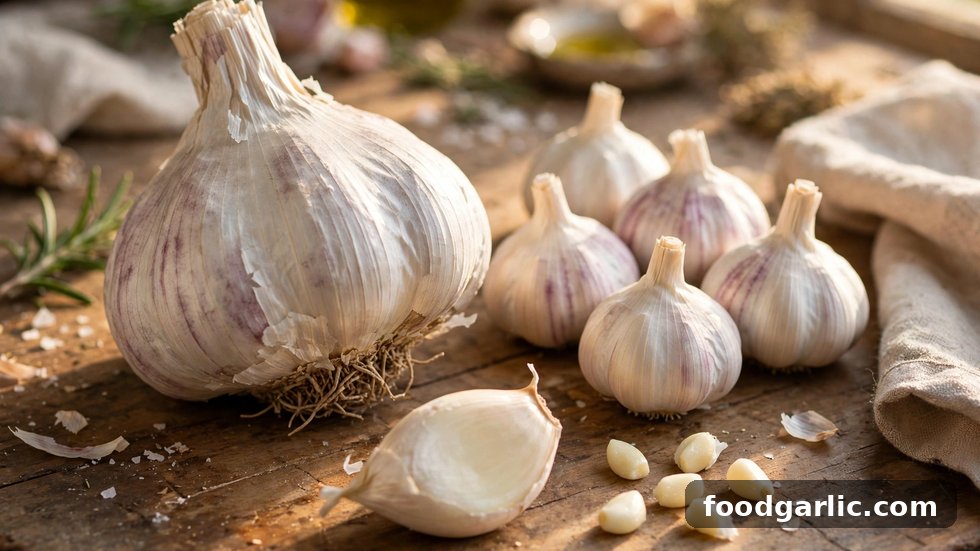
At the farmers’ market, a bulb the size of a grapefruit catches your eye — labeled “elephant garlic.” Is it just garlic on steroids, or something entirely different? And more importantly: should you cook with it?
In this guide, you will learn what elephant garlic actually is (the answer surprises most people), how its size, taste, and nutrition compare to regular garlic, when to choose each one, and whether you can substitute them in recipes. You will shop smarter from your next market trip on.
Table of Contents
- What Is Elephant Garlic, Really?
- Size and Appearance Compared
- Taste and Flavor Differences
- Nutrition and Health Compounds
- Cooking with Elephant Garlic: Best Uses
- Can You Substitute One for the Other?
- Frequently Asked Questions
What Is Elephant Garlic, Really?
Here is the surprise: elephant garlic is not garlic at all. Botanically, it is Allium ampeloprasum — a variety of wild leek, making it a close cousin of leeks rather than true garlic (Allium sativum).
It earned the name “elephant garlic” because its bulbs look like oversized garlic bulbs, complete with large cloves wrapped in papery skin. The resemblance is only skin-deep — its flavor, chemistry, and best uses are distinctly leek-like.
Size and Appearance Compared
- Elephant garlic bulbs weigh 200–500 grams (up to 1 pound) — roughly 5–10 times a regular bulb.
- Individual cloves are enormous: a single elephant garlic clove can equal an entire head of regular garlic.
- Clove count: elephant garlic bulbs typically contain just 4–6 huge cloves, versus 10–20 small cloves in regular garlic.
- Appearance: cream-colored papery skin, plump rounded cloves — visually similar to garlic, just scaled up dramatically.
- Price: elephant garlic usually costs more per bulb but less per gram of usable clove.
Taste and Flavor Differences
This is where the leek ancestry shows. Elephant garlic tastes like a mild, sweet cross between garlic and onion — pleasant but nowhere near as pungent as true garlic.
- Raw: elephant garlic is gentle enough to eat raw in salads; raw regular garlic is sharp enough to sting.
- Pungency: regular garlic delivers 5–10 times more of the sharp sulfur bite.
- Sweetness: elephant garlic has a natural sweetness that caramelizes beautifully when roasted.
- Aftertaste: far less lingering “garlic breath” effect than regular garlic.
Think of it this way: if regular garlic is a trumpet, elephant garlic is a cello — same family of flavor, completely different volume and character.
Nutrition and Health Compounds
Because it is a different species, elephant garlic’s chemistry differs from true garlic’s.
- Allicin: elephant garlic produces much less allicin than regular garlic — so its antimicrobial and studied health effects are weaker.
- Calories and carbs: similar per gram, though you will likely eat larger quantities of elephant garlic.
- Antioxidants: contains beneficial sulfur compounds and flavonoids, just in lower concentrations.
- Gentler on digestion: many people who find regular garlic harsh on the stomach tolerate elephant garlic easily.
If you eat garlic primarily for its studied health properties, regular garlic wins clearly. If you eat it for flavor and gentle digestion, elephant garlic has its own merits.
Cooking with Elephant Garlic: Best Uses
Elephant garlic’s mildness is a feature, not a flaw — it excels where regular garlic would overpower.
- Roasting whole: the ultimate use. Roast a whole bulb until the giant cloves turn soft, sweet, and spreadable — incredible on bread.
- Raw in salads: slice thin for gentle garlic-onion crunch without the burn.
- Soups and stews: adds mellow background depth; use generously.
- Stir-fries: chunky slices hold their shape and sweeten in the wok.
- Grilling: thick slices grill beautifully without falling through grates.
Avoid using elephant garlic where you need sharp garlic punch — aioli, garlic bread, aglio e olio, and pesto all demand the real thing.
Can You Substitute One for the Other?
- Elephant garlic → regular garlic: use 1 elephant garlic clove in place of 1 whole head of regular garlic as a rough starting point, then adjust. Expect milder results.
- Regular garlic → elephant garlic: you would need roughly 8–10 regular cloves to match one elephant garlic clove’s volume — but the flavor will be far stronger, so use less.
- Best practice: do not substitute when garlic is the star of the dish. In background roles (soups, roasts, stews), they swap more freely.
Frequently Asked Questions
Is elephant garlic genetically modified?
No. Elephant garlic is a naturally occurring variety of wild leek (Allium ampeloprasum), cultivated for centuries. Its size comes from selective breeding, not genetic modification.
Does elephant garlic cause less garlic breath?
Yes, noticeably less. Its lower sulfur-compound content means milder breath and body odor effects than regular garlic — one reason dinner-party cooks love it.
Can I grow elephant garlic at home?
Yes — plant individual cloves in autumn, just like regular garlic. It needs a long growing season (often 8+ months) and well-drained soil. One planted clove can yield an impressive bulb by the following summer.
Why is elephant garlic so expensive?
It takes longer to grow than regular garlic, yields fewer bulbs per acre, and is often sold as a specialty item. Buying per weight, though, it is usually reasonable — one bulb goes a long way.
Elephant garlic and regular garlic may look like relatives, but they behave very differently in the kitchen. If you want bold, punchy flavor that stands up to roasting and long cooking, regular garlic is your workhorse. If you prefer a milder, sweeter allium that even garlic skeptics can enjoy — especially roasted whole or sliced raw in salads — elephant garlic is worth trying. Nutritionally they are close cousins, so choose based on taste and the dish you are making. Next time you see those giant bulbs at the market, do not walk past them: bring one home, roast it until golden, and discover a gentler side of garlic you may end up loving.