
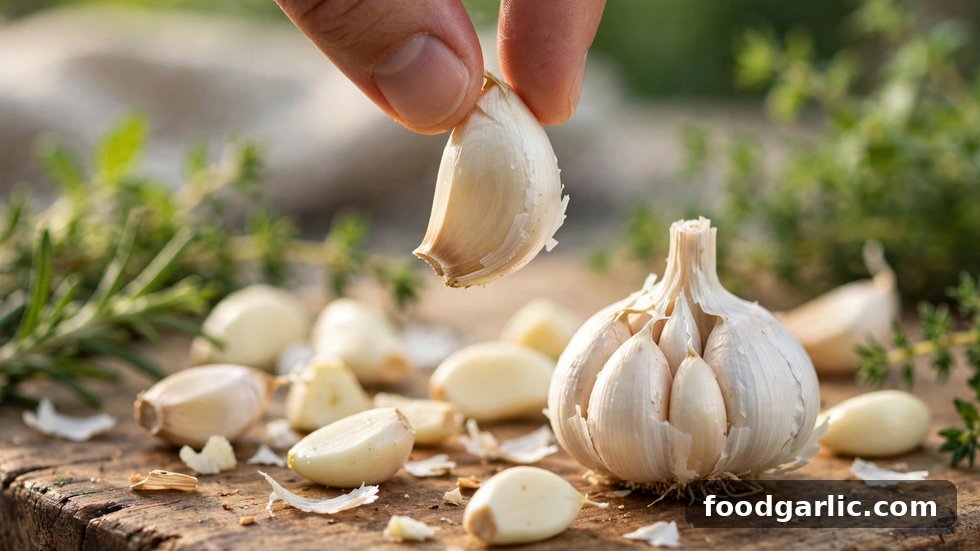
Eating one clove of garlic a day sounds almost too simple to matter. Yet this tiny habit is one of the most studied dietary routines in nutrition science — and the changes it may bring build quietly over weeks.
In this article you will learn what daily garlic may do to your heart, blood pressure, immunity, and digestion, what happens in the first week versus after months, the side effects to expect, and how to build the habit safely.
Table of Contents
- Week One: What Changes First
- Heart, Blood Pressure, and Cholesterol Over Time
- What Daily Garlic May Do for Your Immune System
- Digestion and Gut Changes to Expect
- Breath, Skin, and Other Side Effects
- How to Make the Daily Clove Habit Stick
- Frequently Asked Questions
Week One: What Changes First
In the first few days, the changes are mostly digestive and sensory. You may notice stronger garlic breath, a warm feeling in your stomach after eating it raw, and possibly slightly looser digestion. These are the most common early effects and they usually fade as your body adjusts.
This is the adjustment phase. Your gut microbes encounter new sulfur compounds, and your digestive system learns to handle the pungency. Starting with half a clove and eating it with food makes the first week far easier than diving in with a whole raw clove on an empty stomach.
Heart, Blood Pressure, and Cholesterol Over Time
This is where the most research exists. Multiple trials suggest that daily garlic intake may modestly lower blood pressure, especially in people whose numbers are elevated. The effect is linked to compounds that help blood vessels relax.
Cholesterol tells a similar story. Studies suggest garlic may help lower total and LDL cholesterol by a small but meaningful amount in people with high baseline levels. It is not a replacement for medication, but it may be a helpful dietary ally.
How long before you see results?
Most trials ran for 8 to 12 weeks before measuring outcomes. Treat this as a two-to-three-month habit, not a weekend experiment. If you are tracking blood pressure at home, keep your other habits steady so you can judge fairly.
If you take blood pressure medication or blood thinners, talk to your doctor before making garlic a daily ritual. Garlic’s effects on circulation are mild, but they can add to what your medication already does.
What Daily Garlic May Do for Your Immune System
Garlic’s reputation as a cold-fighter has some research behind it. In one well-known 12-week trial, people taking a daily garlic supplement caught fewer colds than those taking a placebo, and the colds they did catch were shorter.
The proposed mechanism involves allicin and related sulfur compounds supporting white blood cell activity. Think of it as gentle, ongoing immune support rather than an emergency cure. A daily clove during cold season is the most common way people apply this research.
Digestion and Gut Changes to Expect
Garlic is a source of prebiotic fiber, the kind that feeds beneficial gut bacteria. Over time, regular garlic intake may support a healthier gut microbiome — though this is an emerging area of research rather than settled science.
- Early on: mild gas or bloating is common, especially with raw garlic, and usually settles within a couple of weeks.
- With food: eating garlic as part of a meal instead of alone dramatically reduces digestive complaints.
- If you have IBS: garlic is high in fructans and can trigger symptoms for some people; cooked garlic in infused oil (solids strained out) is a gentler alternative.
Most people adapt. If digestive discomfort persists beyond a few weeks, reduce the amount or switch to cooked garlic.
Breath, Skin, and Other Side Effects
Let us be honest about the downsides. Garlic breath is real, and it comes from sulfur compounds that enter your bloodstream and are exhaled through your lungs — which means brushing your teeth does not fully fix it. The compounds fade over several hours.
Some people notice a faint garlic scent in their sweat after weeks of daily use. On the positive side, a few studies suggest garlic’s antioxidants may support skin health from the inside, though this evidence is preliminary.
Rare but worth knowing: large daily amounts of raw garlic can cause heartburn, nausea, or stomach pain. If that happens, cut back. The dose that helps is the dose you can tolerate comfortably every day.
How to Make the Daily Clove Habit Stick
The best daily-garlic method is the one you will actually repeat. Here are the most sustainable approaches people use:
- The dip method: mince one clove, rest it 10 minutes, and stir it into yogurt, hummus, or guacamole at dinner.
- The dressing method: whisk it into a simple olive oil and lemon salad dressing you use all week.
- The finishing method: add minced garlic to cooked dishes in the last minutes, so it is barely heated.
- The capsule-free swallow: finely mince the clove and take it with water right before a meal, like a supplement.
Link it to an existing habit — dinner prep, a lunch salad, or your evening routine — and it becomes automatic. Keep a fresh bulb on the counter as your reminder.
Frequently Asked Questions
Is it better to eat the daily clove in the morning or evening?
There is no strong evidence for one time over the other. Evening is often more practical because garlic breath is less of a social problem at home, and taking it with dinner protects your stomach. Choose the time you will remember consistently.
Can I eat the daily clove if I have acid reflux?
Raw garlic commonly worsens reflux. If you have GERD, use cooked garlic instead and keep amounts small. If symptoms flare, skip the daily-clove habit and talk to your doctor about alternatives.
Does the daily clove help with weight loss?
Evidence is weak and indirect. Some animal studies suggest garlic compounds may influence fat metabolism, but human evidence for weight loss is not convincing. Eat garlic for heart and immune support, not as a diet strategy.
What if I miss a day?
Nothing happens. Just resume the next day — consistency over months is what matters, not perfection.
1 thought on “What Happens to Your Body When You Eat One Clove of Garlic Daily?”