
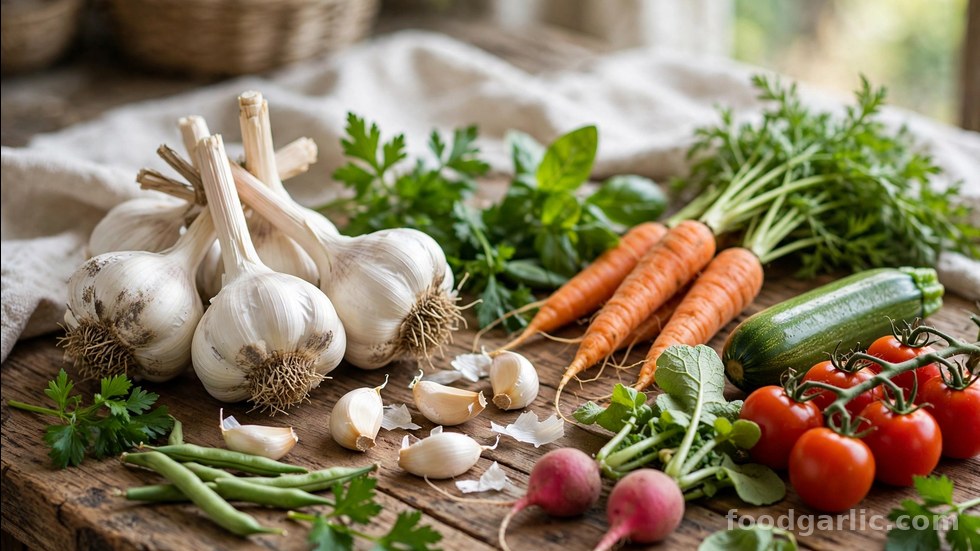
Managing blood sugar naturally is one of the most searched health topics in the world — and garlic, the humble kitchen staple, has attracted serious scientific attention for its potential role in diabetes care. Can garlic actually help manage diabetes? The short answer: emerging evidence suggests garlic can support healthy blood sugar levels and insulin sensitivity, thanks to compounds like allicin. But it is not a cure, and it can never replace medication. In this evidence-based guide, we review the key studies, explain how garlic may work, and show you how to use it safely as part of a diabetes-friendly lifestyle.
In This Article
- What the Research Says About Garlic and Blood Sugar
- How Garlic May Affect Blood Sugar
- Key Study Findings at a Glance
- How to Use Garlic for Blood Sugar Support
- Safety Cautions for Diabetics on Medication
- The Bottom Line
What the Research Says About Garlic and Blood Sugar
Garlic (Allium sativum) has been used in traditional medicine for centuries, and modern researchers have started testing its effects on blood sugar in controlled studies. The results so far are promising — but they come with important caveats.
Several trials and meta-analyses link garlic supplementation to lower fasting blood sugar and HbA1c, a marker of long-term blood sugar control. The effect is modest, and most studies used extracts rather than whole garlic from the kitchen.
A frequently cited meta-analysis in people with type 2 diabetes found garlic significantly reduced fasting blood glucose versus placebo, with some reviews also reporting improved insulin resistance markers. Researchers generally view garlic as a promising complementary approach — not a standalone treatment.
Diabetes is a complex metabolic condition, and diet, exercise, weight management, and prescribed medication remain the foundation of blood sugar control. Garlic works best as one piece of a broader, consistent strategy.
How Garlic May Affect Blood Sugar
Scientists have proposed several mechanisms for garlic’s blood sugar effects — none fully proven yet, but together they paint a plausible picture.
Allicin and Sulfur Compounds
When garlic is crushed or chopped, it produces allicin, the sulfur compound behind garlic’s pungent smell and much of its biological activity. Allicin and its derivatives may help protect the pancreas’s insulin-producing cells from damage and improve how the body handles glucose.
Insulin Sensitivity and Secretion
Animal and laboratory studies suggest garlic compounds can improve insulin sensitivity — cells responding more effectively to insulin — and may support healthy insulin secretion from pancreatic beta cells, helping move glucose out of the bloodstream.
Antioxidant and Anti-Inflammatory Effects
Chronic inflammation and oxidative stress drive insulin resistance and diabetic complications. Garlic’s antioxidants may reduce oxidative stress, potentially protecting blood vessels, nerves, and kidneys — the organs most vulnerable in diabetes. This connects closely to garlic and heart health, since people with diabetes face a higher risk of cardiovascular disease.
Key Study Findings at a Glance
Here is what the research currently shows:
- Fasting blood sugar: Multiple trials report reductions in fasting glucose in participants taking garlic supplements, typically over 4 to 12 weeks.
- HbA1c: Some studies found modest improvements in HbA1c, the standard long-term measure of blood sugar control.
- Insulin levels: A number of trials observed improved insulin sensitivity markers, particularly in people with metabolic syndrome or prediabetes.
- Dosage range: Most studies used the equivalent of 600 to 1,200 mg of aged garlic extract daily, or roughly one to two cloves of raw garlic per day.
- Limitations: Studies are often small and short, with varied formulations — results are encouraging, not conclusive.
Beyond blood sugar, garlic has also been studied for garlic’s effect on cholesterol, which matters because diabetes and high cholesterol frequently occur together.
How to Use Garlic for Blood Sugar Support
To add garlic to a diabetes-friendly routine, consistency and preparation matter more than heroic doses.
Choose raw or lightly cooked garlic. Allicin forms when garlic is crushed and rested — high heat destroys the enzyme that creates it — so crush and wait 10 minutes before eating. New to eating one clove of garlic daily? Start with half a clove and build up gradually to avoid stomach upset.
Practical daily ideas:
- Mince a clove of raw garlic and mix it into salad dressings, hummus, or guacamole.
- Stir crushed garlic into warm (not boiling) soups or stews just before serving.
- Blend it into pesto, chimichurri, or a yogurt-based dip.
- Consider an aged garlic extract supplement if raw garlic disagrees with you — discuss this with your doctor first.
Pair garlic with the habits that move the needle: fiber-rich meals, walking after eating, good sleep, and consistent medication use. Garlic complements these habits; it does not replace them.
Safety Cautions for Diabetics on Medication
Garlic is a food, but it is also biologically active — meaning it can interact with medications.
Risk of low blood sugar: Because garlic may lower blood glucose, combining it with diabetes medications (especially insulin or sulfonylureas) could push blood sugar too low. Talk to your doctor before adding large amounts of garlic or garlic supplements, and monitor your blood sugar more closely when you start.
Blood-thinning interactions: Garlic has mild blood-thinning properties, which matters if you take warfarin or aspirin therapy. Stop high-dose garlic supplements before surgery, and tell your surgeon about any supplements you take.
Digestive side effects: Raw garlic can cause heartburn, gas, nausea, or stomach irritation, especially on an empty stomach. Aged garlic extract is usually gentler.
Not a medication replacement: Never stop or reduce prescribed diabetes medication in favor of garlic or any supplement. Uncontrolled blood sugar causes silent damage over time, and no study supports replacing medication with garlic.
The Bottom Line
So, can garlic help manage diabetes naturally? The evidence says it may support healthy blood sugar levels and insulin sensitivity within a complete diabetes management plan. The research is encouraging but early — small studies and varied preparations mean there is no guaranteed result for any individual.
Used sensibly — a clove or two a day in cooking, or a doctor-approved supplement — garlic is a low-cost, low-risk addition to a blood sugar–friendly lifestyle. Keep your medication routine and monitoring, and let garlic do its supporting work in the background.
Frequently Asked Questions
How much garlic should I eat daily for blood sugar support?
Most studies used one to two cloves of raw garlic per day, or 600 to 1,200 mg of aged garlic extract. Start small and increase gradually.
Is raw garlic better than cooked garlic for diabetes?
Raw or lightly cooked garlic preserves more allicin — crush, rest 10 minutes, then eat. High-heat cooking significantly reduces allicin content.
Can garlic lower blood sugar too much?
Possible, especially alongside insulin or other glucose-lowering drugs — which is why medical supervision and regular monitoring matter when adding garlic supplements.
Can I stop my diabetes medication if I eat garlic every day?
No. No study supports replacing medication with garlic, and stopping medication without your doctor’s approval risks dangerously high blood sugar and long-term complications.
Does garlic raise blood sugar?
No — garlic is very low in carbohydrates and is not known to raise blood sugar. Research consistently points to neutral or modestly lowering effects.