
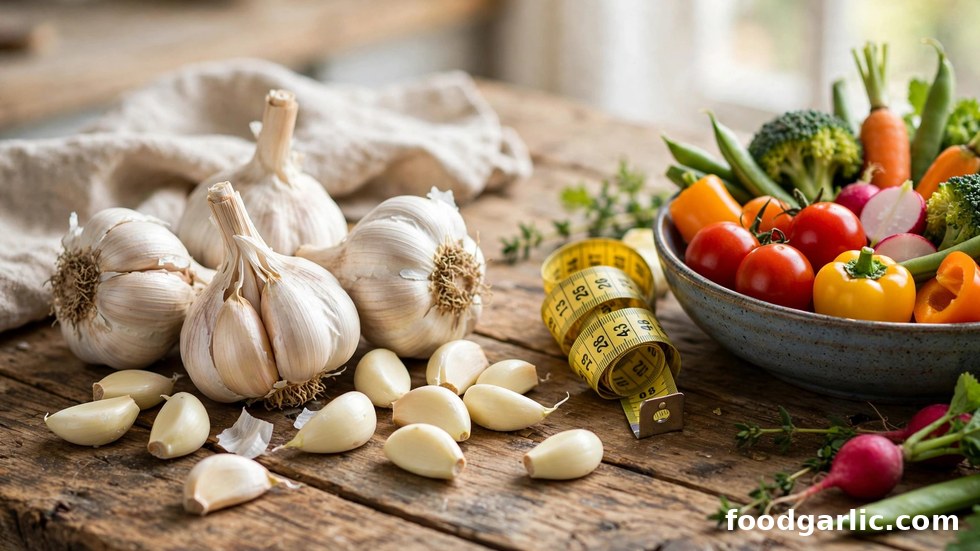
Can a humble kitchen bulb really help you lose weight, or is garlic just another overhyped “superfood”? The short answer: garlic is not a magic fat burner, but a growing body of research suggests it can genuinely support weight management when combined with a healthy diet and exercise. In this guide, we break down what clinical studies actually found, how garlic may influence appetite and fat storage, and the most practical ways to add it to a weight-loss plan — without falling for exaggerated claims.
Table of Contents
- What the Research Actually Says
- How Garlic May Support Weight Management
- Raw Garlic vs Cooked Garlic vs Supplements
- How to Add Garlic to a Weight-Loss Diet
- What Garlic Can’t Do
- Frequently Asked Questions
What the Research Actually Says
Over the past two decades, researchers have tested garlic’s effects on body weight in both animal studies and human clinical trials, and the results are cautiously encouraging. A widely cited 2011 study published in the Journal of Nutrition found that mice fed a high-fat diet supplemented with garlic gained significantly less weight and had less white adipose tissue than the control group. While animal results don’t translate directly to humans, they pointed scientists toward the mechanisms worth testing.
Human trials followed. A 2016 randomized, double-blind, placebo-controlled trial gave participants aged garlic extract for 12 weeks and observed modest but statistically significant reductions in body weight and waist circumference compared with the placebo group. Another meta-analysis pooling several trials concluded that garlic supplementation was associated with small reductions in body mass index (BMI) and waist size, particularly in people who took it consistently for at least 8 to 12 weeks.
The key takeaway: the effect is real but modest. Garlic appears to nudge the scales in the right direction rather than melt pounds away. Researchers emphasize that benefits showed up alongside — not instead of — balanced eating and physical activity.
How Garlic May Support Weight Management
Researchers have proposed several ways garlic may influence body weight — not like a drug, but by gently supporting the systems behind hunger, energy use, and fat storage.
Appetite and Satiety
Garlic’s pungent flavor does more than wake up a dish — it may help you feel satisfied with less food. Strong-tasting ingredients increase sensory satisfaction, which some researchers link to reduced calorie intake at meals. In practical terms, a meal generously seasoned with garlic often tastes richer and more complete, making smaller portions feel like enough.
Early animal research also suggests garlic may influence hunger-related hormones like adiponectin, though human data is still limited.
Metabolism and Fat Storage
This is where allicin and its derivatives take center stage. When you crush or chop garlic, the enzyme alliinase converts alliin into allicin, the compound behind garlic’s bite and much of its bioactivity. Laboratory studies indicate that allicin and related sulfur compounds may:
- Reduce the formation of new fat cells by downregulating genes involved in adipogenesis (the creation of fat cells).
- Increase thermogenesis — the body’s heat production — which burns a few extra calories.
- Support healthy blood sugar levels, reducing the insulin spikes that encourage fat storage.
- Act as a mild anti-inflammatory, since chronic low-grade inflammation is linked to obesity and metabolic syndrome.
Again, these are supporting effects, not dramatic transformations. Think of garlic as a helpful teammate in a broader weight-loss strategy, not the star player.
Raw Garlic vs Cooked Garlic vs Supplements
Not all garlic delivers the same punch. Raw, freshly crushed garlic contains the most allicin — but allicin is fragile. It starts degrading within minutes of exposure to heat, which is why long-cooked garlic is milder in both flavor and bioactive content. For maximum benefit, crush or mince garlic and let it rest for about 10 minutes before eating or lightly cooking it; this gives alliinase time to produce allicin.
Cooked garlic still offers value — roasting preserves other beneficial sulfur compounds even as allicin drops, making it a fine compromise if raw garlic upsets your stomach.
Garlic supplements — aged garlic extract, garlic oil capsules, or standardized allicin tablets — were used in most clinical trials. They offer consistent dosing without the breath issues, but quality varies widely between brands. Look for products standardized for allicin potential or S-allyl cysteine content, and check with your doctor first, especially if you take blood thinners or blood pressure medication.
How to Add Garlic to a Weight-Loss Diet
You don’t need a complicated protocol. The participants in successful trials simply consumed garlic daily — often the equivalent of one to two fresh cloves. Here are practical, sustainable ways to do the same:
- Start savory breakfasts with it: add minced garlic to scrambled eggs, avocado toast, or a vegetable omelet.
- Build a daily salad dressing: whisk crushed garlic with olive oil, lemon juice, and mustard — far healthier than creamy bottled dressings.
- Season roasted vegetables generously: toss broccoli, cauliflower, or Brussels sprouts with sliced garlic before roasting.
- Make garlic a soup staple: finish lentil, tomato, or chicken-vegetable soups with freshly crushed garlic stirred in off the heat.
- Try the 10-minute rule: crush garlic first, prep everything else, then add it — this maximizes allicin formation.
- Keep it consistent: daily intake matters more than occasional large doses. One clove a day beats seven cloves once a week.
Pair these habits with the fundamentals — a modest calorie deficit, plenty of protein and fiber, and regular movement — and garlic becomes a genuine ally rather than a gimmick.
What Garlic Can’t Do
Honesty matters here. Garlic will not override a diet of ultra-processed food, erase the effects of a sedentary lifestyle, or produce rapid weight loss on its own. Be skeptical of any product or article promising “lose 10 pounds with garlic water” — those claims far outrun the evidence.
Side effects can include digestive discomfort, heartburn, and strong breath odor. Anyone on blood thinners or facing surgery should check with a clinician before taking garlic supplements, as garlic can slow clotting.
Frequently Asked Questions
How much garlic should I eat per day for weight loss?
Studies showing benefits used one to two fresh cloves daily (or 600–1,200 mg aged garlic extract). Consistency over 8–12 weeks mattered most.
Is it better to eat garlic on an empty stomach?
There’s no strong evidence that timing matters much. Some people tolerate garlic better with food, which also reduces the chance of heartburn. Choose whatever schedule you’ll actually stick with.
Do garlic pills work as well as fresh garlic for weight loss?
Most clinical trials actually used supplements (usually aged garlic extract), so the evidence base for pills is solid. Fresh crushed garlic likely provides similar or greater allicin, but supplements offer convenience and consistent dosing.
Can garlic reduce belly fat specifically?
Some trials reported small reductions in waist circumference, but spot reduction isn’t really possible — garlic supports overall fat loss, and where your body loses fat first is largely genetic.
Want to go deeper? Read our comparisons of garlic vs garlic supplements and how garlic affects blood sugar, or see what happens when you eat one clove of garlic daily.